
What Is Ansi in Projector? ANSI Lumens Explained
Brightness claims can confuse. Here's what is ansi in projector explained, from the measurement method to room light, in October 2026.
 By Ben Carter
Updated

Two projectors can both claim to be bright and still look nothing alike on the wall. One number on the box, usually lumens, is supposed to settle the question, but the label behind that number changes everything. A rating measured in a standard way tells you something useful, while a vague one tells you very little. Learning to tell the difference takes only a few minutes.
That’s why what is ansi in projector is such a common question. ANSI refers to a standardized way of measuring projector brightness, and it matters most when you compare models or plan for a room with windows. Below, you’ll find what ANSI lumens are, what they leave out, why the same number looks different from room to room, and how to match a rating to your room lighting and screen size, using real listings as examples. A few quick checks will keep marketing numbers from steering you wrong, and they apply to any projector you look at.
| Award | Product | Best Projector Reviews Score About Best Projector Reviews ScoreBest Projector Reviews Score is a comparison aid based on available product information, not a hands-on testing result. Read our review methods. | |
|---|---|---|---|
| Best Overall |
 FUDONI Projector with WiFi & Bluetooth |
8.8/10 | Buy |
 HAPPRUN 3000 ANSI Lumens Outdoor Projector |
8.1/10 | Buy | |
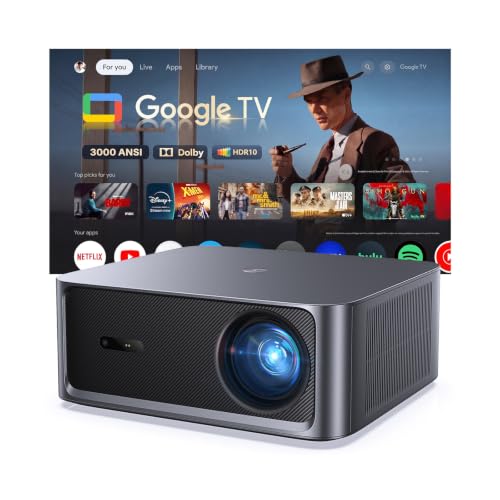 HAPPRUN 3000 ANSI Outdoor Projector with Google |
7.8/10 | Buy |
ANSI Lumens: The Brightness Rating Worth Understanding
ANSI stands for the American National Standards Institute. In projector specs, ‘ANSI lumens’ means brightness measured with a standardized method, so ratings from different models can be compared fairly. It’s a more trustworthy label than an unlabeled ‘lumens’ figure, though it still isn’t the whole story. Think of it as a fair starting point for comparison, not a final grade.
The sections below explain how the measurement works, why room light changes everything, and what the listed examples say. They also cover which other specs to check alongside brightness, so a single number doesn’t decide the purchase for you.
How the Measurement Works
The method divides the projected image into a grid of nine equal rectangles. A light meter measures the brightness at the center of each, and the readings are averaged. That average is then multiplied by the image area to give a lumen total.
Because the result is averaged across the image, it reflects how evenly the projector lights the screen, not just how bright its center is. A projector with a bright center and dim corners will score lower than one with even lighting. The measurement uses a white test image, which is why the figure describes white brightness. Color brightness can be lower, and some projectors list it separately.
The ANSI method is related to the ISO 21118 standard, which defines similar measurement conditions for projector specifications. Some listings cite one or both. When a seller names the standard, the number carries more weight than when it just says ‘high lumens.’
Why ANSI Lumens Beat Unlabeled Brightness Claims
Plain ‘lumens’ on a box can mean many things. It may be a raw light-source output, a figure from another method, or a marketing number that doesn’t match what the screen receives. Terms such as ‘LED lumens’ or ‘ISO lumens’ also appear, and they don’t always mean the same thing as ANSI lumens.
The safest habit is to compare numbers labeled the same way. If one listing says ANSI and another doesn’t name a standard, don’t assume the two figures are equal. A smaller labeled ANSI number may even look brighter in practice than a larger unlabeled one. That is why a labeled rating is worth looking for.
Room Light Decides How Much You Need
Brightness only matters relative to the light in the room. In a dark basement or a bedroom with the curtains closed, a modest rating can give a good picture. In a living room with windows or lamps, the room’s light competes with the projector, and the image looks washed out unless the rating is higher.
Ambient light raises the black level on the screen, which lowers contrast. That’s why a projector can look stunning at night and flat at noon. If you watch during the day, a higher ANSI rating, a dedicated screen, and some light control all help.
Screen size also changes the equation. The same lumens spread across a larger image look dimmer, so a very large screen needs more brightness to reach the same punch. A smaller image looks brighter and sharper with the same projector.
What the Listings Say
The FUDONI Projector with WiFi & Bluetooth listing states a brightness of up to 300 ANSI, a native 1920 by 1080 resolution, and a 10000:1 contrast ratio. It describes a projection size from 41 to 300 inches at a 5 to 34 foot distance, with a zoom function. The listing also says the brightness follows the ANSI/ISO 21118 standard and mentions third-party certification by SGS.
Those are manufacturer statements, so treat them as claims to compare, not results measured here. A 300 ANSI rating suggests a projector that suits dim or dark rooms best. The listing itself pitches indoor and outdoor use, but outdoors at night is a very different situation from outdoors in daylight.
The HAPPRUN 3000 ANSI Lumens Outdoor Projector listing states 3000 ANSI lumens, 4K decoding, HDR10, a 20,000:1 contrast ratio, and 95% color gamut coverage. It lists auto focus and 6D auto keystone, dual 10W speakers with Dolby Audio, Wi-Fi 6, and Bluetooth 5.2. The seller says the brightness helps in rooms with ambient light.
The HAPPRUN 3000 ANSI Outdoor Projector with Google listing also states 3000 ANSI lumens, and describes Google TV, HDR10+, auto focus, and Native 1080P. Native 1080P means the imaging panel has that resolution, while ‘4K decoding’ in the other listing means it accepts a 4K signal. That difference is worth noting, since brightness and resolution are separate specs.
Comparing the FUDONI and HAPPRUN listings shows how much ANSI figures can differ. The HAPPRUN figure is ten times the FUDONI figure on paper. That gap points to different intended rooms, with the lower rating aimed at darker spaces and the higher rating at brighter ones.
Brightness Is Only One Part of Picture Quality
A high ANSI rating doesn’t automatically mean a better picture. Contrast ratio, color accuracy, native resolution, and the quality of the lens all shape the image. A very bright projector with poor black levels can look washed out even in a dark room.
Contrast figures also need caution. A listed ratio like 10000:1 or 20,000:1 comes from the manufacturer and may be dynamic, meaning the projector adjusts light output scene by scene. Without a stated method, treat contrast as a loose indicator.
Resolution matters for detail, and the screen size changes how visible pixels are. HDR labels describe support for a signal format, not a promise of picture quality. Check the native panel resolution, the HDR format, and the lens features together.
Matching a Rating to Your Room
For a dark room, such as a basement or a bedroom with blackout curtains, a lower ANSI rating can work fine, especially with a moderate screen size. You’ll get better contrast than a brighter projector fighting leftover light. Keep the walls and ceiling dark if possible.
For a living room with windows, plan on a higher rating and some light control. Curtains, shades, and a screen designed for ambient light help more than any single spec. If the room is bright most of the day, a projector may not be the right tool for daytime viewing.
For outdoor use, think about the time of day. After sunset, many projectors do well, while at dusk, or with streetlights nearby, brightness matters more. A bigger screen needs a brighter projector.
For gaming and sports, the picture often stays on screen for long sessions, and fast action can look washed out if the room is lit. A moderate screen size, closed curtains, and a labeled ANSI rating that suits the room keep colors from fading. Brightness is one factor, and low input lag or a game mode is another, so check those specs separately.
For presentations in classrooms or offices, lights often stay on. A higher ANSI rating and a clean white screen are important there. Check the throw distance and the screen size so the rating applies to the real setup.
Screens, Surfaces, and the Light That Reaches Your Eyes
The screen is the last step in the light path. A matte white screen spreads light evenly and works for most rooms. Screens built for ambient light use special surfaces to favor the viewer’s direction and reject light from other angles, which can make a bright room more workable.
A painted wall can serve for casual use, but walls usually reflect less evenly and may carry a color tint. A tinted or dark wall absorbs light, which lowers apparent brightness. If your room is only moderately lit, a decent screen can feel like a free brightness upgrade.
Distance and zoom matter as well. The FUDONI listing mentions a zoom range from 100 to 50 percent, so the image can be shrunk to concentrate light. A smaller picture from the same lumens looks brighter, which is useful when the room is not fully dark.
Checking Brightness Claims Before You Buy
Read the listing for the measurement standard, and look for the word ‘ANSI’ next to the number. Be cautious when a listing shows a very large figure for a small, low-priced projector with no standard named. Large numbers without a label often come from a different method.
Check the return policy and the warranty. A projector’s real-world brightness depends on your room, so the ability to return it if the image looks dim is valuable. Also read buyer feedback for comments about brightness in lit rooms, keeping in mind that opinions vary.
If you can, view the projector in the conditions where you’ll use it. A listing can state a number, but only your room shows whether that number is enough. A short trial period turns a brightness claim into something you can judge for yourself.
Common Mistakes When Comparing Lumens
One mistake is comparing numbers from different standards. Another is assuming a higher number always wins, without considering the room. A third is ignoring screen size and distance, which change the brightness your eyes see.
It’s also easy to forget that brightness can fall over time. Lamps dim as they age, and filters that need cleaning can reduce output. Eco modes lower brightness on purpose, and the rating usually refers to the brightest mode.
A Short Checklist
Look for the measurement standard, the native resolution, the contrast claim, and the throw distance. Think about the room’s light and the screen size you want. Then match the rating to the room, not to the biggest number available.
If you remember one thing, it’s this: ANSI lumens are a fair way to compare brightness, but only for the room you actually have. Control the light you can, and choose the rating that fits what’s left. That approach gives a better result than chasing the biggest number.
About the author
I am the person friends ask whether a cheaper projector is good enough. My focus is budget picks and comparisons: where the savings are fine, where they hurt, and what to skip. I write buying guides that start with how you will use the projector and end with a short list, and I try to be upfront about the compromises at every price. My notes follow the site's review methods: research-based comparison, not lab testing.