Laser vs Bulb Projector: Key Differences for 2026
Evaluate a laser vs bulb projector by comparing light output, maintenance, and lamp life for your home theater setup in November 2026.
 By Elena Costa
Published

Solid-state illumination delivers consistent brightness and thousands of operating hours without replacement, while traditional lamp systems offer a lower upfront purchase price with recurring bulb swaps. Choosing between a laser vs bulb projector depends on how frequently you run your display, your tolerance for routine maintenance, and whether you require instant-on performance for daily living room entertainment. A dedicated media room running occasional movie screenings presents different thermal and optical demands than a bright family room used for daytime television and gaming.
Traditional high-pressure discharge lamps and halogen units gradually lose luminance over their operational lifespan, which impacts contrast and image vibrancy as hours accumulate. Modern laser diode banks maintain stable color accuracy and peak brightness across extensive operating schedules, though they require higher initial financial investments.
If you want to know whether your current video setup affects comfort, our guide on how projectors compare to televisions examines display viewing dynamics and reflected light. Understanding how each illumination platform manages heat, luminance decay, and operating noise ensures you select the correct hardware for your room dimensions.
| Award | Product | Best Projector Reviews Score About Best Projector Reviews ScoreBest Projector Reviews Score is a comparison aid based on available product information, not a hands-on testing result. Read our review methods. | |
|---|---|---|---|
| Best Overall |
 EYB 82V 360W Projector Bulb |
8.9/10 | Buy |
| Best Value |
 ELH Projector Bulbs 2 Pack |
8.8/10 | Buy |
| Best Budget |
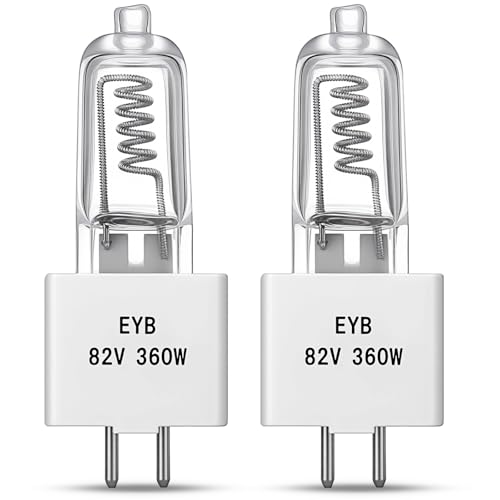 Grinsvalley 2 Pack 82v 360w Projector Bulb |
8.6/10 | Buy |
 Luboyear 2 Pack Projector Bulb |
8.6/10 | Buy | |
| Best Premium |
 TP 500W Carousel Bulb for GAF 1680 Slide Projector |
8.6/10 | Buy |
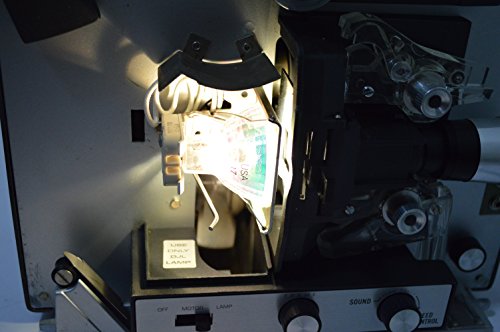 DJL Projector Lamp Bulb Replacement Kit Retrofit |
8.3/10 | Buy | |
 Grinsvalley 2 Pcs Projector Bulb 82v 360w Overhead |
7.8/10 | Buy | |
 Technical Precision ENX 82V 360W Projector Bulb |
7.8/10 | Buy |
Comparing Laser and Lamp Projector Technologies
Selecting between solid-state laser diodes and traditional discharge lamps determines long-term operating costs, color fidelity, and thermal behavior. Modern optical engines rely on distinct methods to generate white light, filter primary color spectrums, and direct illumination onto imaging chips. Evaluating how these platforms differ in lifespan, cooling demands, and luminance stability helps buyers match hardware to their specific viewing space.
| Feature Specification | Laser Projector Platform | Traditional Bulb Projector |
|---|---|---|
| Light Source Longevity | 20000 to 30000 operating hours | 2000 to 5000 operating hours |
| Warm-Up and Cool-Down | Instant power on and off | 30 to 90 seconds warm-up delay |
| Brightness Retention | Linear, gradual decay over time | Noticeable drop after 1000 hours |
| Maintenance Demands | Sealed engine, routine filter cleaning | Periodic lamp replacement and calibration |
| Color Gamut Coverage | Wide color space support (DCI-P3, BT.2020) | Standard Rec.709 color space coverage |
| Energy Consumption | Higher electrical efficiency per lumen | Higher wattage draw with heat exhaust |
Reviewing core operational benchmarks allows prospective buyers to assess long-term ownership requirements before finalizing an installation. The checklist below highlights key performance factors that differentiate solid-state optical systems from conventional bulb-driven hardware:
- Illumination source lifespan determines how many years the system operates before requiring component servicing or hardware replacement.
- Thermal output and active fan volume influence where you can mount the chassis relative to your primary seating area.
- Initial equipment purchase pricing balances against long-term maintenance budgets and scheduled lamp replacement expenses over several years.
- Power delivery speed determines whether the display can function as an instant-on television replacement for daily casual viewing.
- Color spectrum capabilities dictate how accurately the optical system renders high dynamic range mastering standards during cinematic playback.
- Optical engine sealing protects internal micro-displays from environmental dust accumulation in residential living spaces.
Light Generation Mechanics and Optical Engineering
Bulb systems generate light by passing an electrical arc across vaporized mercury or by running high current through a specialized tungsten filament inside a halogen envelope. The resulting radiant energy spans a wide, unfiltered light spectrum that requires internal dichroic mirrors and color wheels to isolate red, green, and blue wavelengths. This broad emission creates substantial excess infrared radiation, which demands intense internal cooling to prevent optical components from overheating.
Laser projectors utilize solid-state semiconductor diode clusters that emit highly concentrated, coherent light at specific target wavelengths. Many commercial designs employ blue laser arrays directed through a spinning phosphor wheel to synthesize yellow light, which optical prisms then split into precise primary color channels. High-end implementations use discrete red, green, and blue laser diodes, eliminating mechanical phosphor wheels while maximizing color saturation and efficiency.
Because laser diodes concentrate energy into tight wavelengths, minimal optical power gets wasted as invisible thermal radiation. The light beam focuses precisely onto Digital Light Processing chips or Liquid Crystal on Silicon panels with minimal stray scatter. This directional accuracy preserves image contrast by reducing internal reflections inside the lens housing, producing deeper shadow detail across dynamic scenes.
Luminance Output and Ambient Light Performance
Ambient light in multi-purpose family rooms presents a major obstacle for projected images, washing out dark areas and desaturating vibrant tones. Projector lamps provide substantial initial luminance, but their light curve degrades steadily as the internal filament or arc tube undergoes physical wear. A traditional lamp that starts with strong output often drops twenty to thirty percent in total brightness after several hundred hours of runtime.
Solid-state laser modules experience a much flatter degradation curve over their active operational lifecycle. They maintain stable brightness across thousands of playback hours, ensuring your daytime viewing remains clear throughout years of regular use. If you plan to set up projection outside for evening gatherings, reading our analysis on matching brightness for outdoor movie setups clarifies essential output requirements against shifting twilight conditions.
Maintaining high luminance without severe thermal throttling allows laser engines to sustain vivid imagery on large ambient light rejecting screens. High-gain projection surfaces reflect directional light toward viewers while rejecting overhead ceiling fixtures, pairing effectively with the consistent throw of laser systems. Standard bulb units can illuminate these specialized screens well initially, but dropping lumen figures eventually compromise image clarity in moderate ambient light.
Operating Lifespan and Long-Term Maintenance Costs
Operational lifespan marks one of the sharpest practical distinctions between these two projection platforms. Traditional metal halide and ultra-high-pressure mercury lamps typically offer manufacturer ratings between 2000 and 5000 hours, depending on whether you run standard or eco mode. Vintage specialty lamps found in legacy slide and overhead units, such as an EYB 82V 360W Projector Bulb or an ELH Projector Bulbs 2 Pack, feature ratings under one hundred hours due to intense filament strain.
Solid-state laser engines generally carry ratings of 20000 to 30000 hours before brightness dims to half of its original factory output. Running a laser display for four hours every day translates to roughly two decades of regular operation without replacing the light source. Conventional projectors require multiple replacement lamps over that same operating duration, accumulating recurring replacement expenses and maintenance downtime.
Routine lamp changes also introduce handling concerns and assembly challenges for homeowners with ceiling-mounted equipment. Dropping a ceiling chassis to reach an upper lamp housing takes time, and handling bare replacement glass risks transferring skin oils that create hot spots and premature bulb failure. Laser hardware features a fully integrated solid-state module that requires no physical access to the internal illumination bank.
Thermal Management, Fan Noise, and Enclosure Design
Extreme thermal output remains an unavoidable byproduct of high-pressure mercury arc lamps and high-wattage halogen projector bulbs. The small glass enclosure must dissipate intense thermal loads continuously to prevent the arc tube from rupturing during operation. Powerful cooling fans must spin at high speeds to force ambient air across the lamp assembly, generating audible background whine that can distract during quiet cinematic dialogue.
Laser diode banks run significantly cooler than traditional arc chambers because they convert electrical energy into visible photons with greater thermal efficiency. Projector manufacturers can pair these solid-state arrays with heat pipes, large aluminum heatsinks, and wide low-rpm cooling fans. This thermal architecture allows laser projectors to maintain quiet operating decibel levels even when pushing high output modes in compact living spaces.
Proper air ventilation remains critical for both technologies to safeguard internal optical components and control processing boards. Blocking chassis exhaust ports causes thermal buildup that can trigger emergency shutoff sequences or degrade polarizing filters. Leaving several inches of clear space around the chassis vents protects internal semiconductors and ensures stable operation regardless of light engine architecture.
Power Cycling and Startup Convenience
Daily usability differs noticeably between solid-state hardware and traditional high-intensity discharge systems. Conventional lamp projectors require a warm-up sequence where the internal arc stabilizes and reaches correct operating temperature, which often takes thirty to ninety seconds. Powering down requires an extended cooldown cycle where internal fans continue blowing air across the glass bulb to prevent thermal shock.
Laser projectors provide near-instant startup, delivering full brightness and accurate color reproduction within seconds of pressing the power button. Powering down occurs almost instantly without long cooldown delays, functioning much like a standard flat-panel television. This operational speed makes solid-state projectors practical for spontaneous viewing sessions, casual video gaming, or quick boardroom presentations.
Repeated power cycling poses minimal risk to solid-state laser diodes because they do not suffer from the thermal fatigue that damages delicate lamp filaments. Turning a bulb projector on and off multiple times within an hour places immense stress on the glass envelope and electrodes, often shortening bulb lifespan. Laser engines accommodate frequent on-off switching throughout the day without accelerating component wear.
Color Gamut Coverage and Image Fidelity
Color rendering capabilities depend directly on the purity of the light wavelengths illuminating the internal imaging panels. High-pressure mercury lamps produce strong green and blue spectral spikes, but they are often deficient in deep red wavelengths. Engineers compensate by placing specialized optical filters in the light path, which balances the overall color temperature at the cost of reducing total lumen output.
Laser sources emit narrow spectral bands that align precisely with target color coordinates, creating richer and more saturated primary tones. Pure red, green, and blue wavelengths allow multi-laser projectors to reproduce wide color gamuts such as DCI-P3 and BT.2020 without heavy light filtration. This wide color volume produces lifelike skin tones, vibrant landscapes, and accurate color grading when playing high dynamic range content.
Color balance remains exceptionally stable over the working life of a solid-state illumination module. Conventional lamps shift toward warmer or cooler color temperatures as the electrodes burn away and the chemical composition inside the arc tube changes. Laser engines avoid this gradual chromatic drift, minimizing the need for recurring display recalibration as the hours accumulate.
Installation Flexibility and Optical Enclosures
Mounting requirements influence which lighting platform fits your intended room layout and ceiling architecture. Traditional lamp projectors must operate within strictly defined tilt angles so internal convection currents do not concentrate extreme heat against the upper glass envelope. Operating a conventional bulb projector at steep upward or downward angles can lead to premature lamp failure or cracked glass.
Solid-state laser engines operate reliably in any physical orientation without compromising thermal dissipation or diode safety. You can mount a laser chassis vertically for floor projection, angle it steeply toward a vaulted ceiling, or position it in portrait mode for commercial displays. This 360-degree installation freedom simplifies physical placement in tight architectural spaces or creative home theater configurations.
Dust ingress presents another key engineering difference between these two optical systems. Traditional lamp designs draw massive volumes of unfiltered ambient air across the bulb chamber, occasionally depositing airborne dust onto internal optical prisms and generating noticeable visual artifacts. Many modern laser projectors feature fully sealed IP-rated optical blocks that isolate the light path from ambient room dust entirely.
Safety Precautions and Safe Handling Guidelines
Both projection platforms require mindful operating habits to ensure personal safety and equipment protection. Never stare directly into the projection lens while the display is powered on, as concentrated light output can cause severe visual discomfort or ocular injury. Laser projectors often incorporate proximity sensors near the lens barrel that temporarily dim the diode bank if someone walks across the beam path.
Servicing traditional bulb systems involves specific physical precautions regarding thermal buildup and internal pressure. High-pressure lamps operate at extreme temperatures and contain trace vaporized elements that require careful handling during replacement routines. Following established workshop safety steps ensures smooth maintenance when changing out older projector light assemblies:
- Always disconnect the projector power cord from the wall outlet before opening the outer chassis lamp access door.
- Allow the projector to rest for at least forty-five minutes so the internal glass envelope cools completely to room temperature.
- Wear clean protective gloves or hold replacement bulbs by their plastic housing to keep natural skin oils off the glass surface.
- Inspect all mounting screws and electrical socket pins to verify correct seating before tightening down the lamp retention bracket.
- Clean external air intake filters regularly to prevent restricted airflow from driving up internal operating temperatures.
- Follow local municipal regulations for hazardous waste disposal when discarding spent mercury-based discharge lamps.
Solid-state laser modules are enclosed at the factory and should never be disassembled or serviced by end users. Attempting to open a sealed laser housing exposes you to high-energy optical radiation and voids your equipment warranty. If a solid-state light engine malfunctions, contact authorized manufacturer repair technicians who possess proper optical alignment equipment.
Evaluating Total Ownership Costs and Buyer Scenarios
Financial considerations extend beyond the initial equipment receipt when selecting your display hardware. Traditional lamp projectors offer an appealing entry point for home theater enthusiasts operating on strict equipment budgets. If your viewing habits consist of one or two movies over the weekend, a standard bulb projector may provide years of dependable entertainment before requiring a replacement lamp.
Households planning to use a projector as their primary living room screen will accumulate operating hours rapidly. Running a display six to eight hours daily for streaming television, video games, and sports viewing exhausts a conventional lamp in under two years. In high-usage environments, the higher upfront cost of a laser projector balances out against the cost of multiple replacement lamps and periodic recalibration.
Balancing daily usage habits against hardware costs clarifies whether solid-state illumination or a traditional bulb system offers the best long-term value for your media setup. Choosing solid-state laser hardware provides quiet operation, zero lamp maintenance, and instant startup for daily living room entertainment. Opting for a conventional bulb system remains a cost-effective path for dedicated, dim-room home theaters used primarily for occasional movie nights.
About the author
Lumens, lamp life, fan noise, and eye comfort are where projector marketing gets slippery. I write about what brightness ratings actually promise, how long light sources really last, why a unit gets loud or hot, and how to set up a picture that is comfortable to watch. When something stops working I focus on the practical checks first. My notes follow the site's review methods: research-based comparison, not lab testing.